AIR FORCE ONE IS GETTING A NEW LOOK: HERE’S WHAT IT MEANS FOR THE MILITARY
The iconic look of Air Force One is about to change. For generations, both service members and civilians have instantly recognized Air Force One’s distinctive blue-and-white profile, whether it’s parked on a distant tarmac or arriving at a local base. It has long stood for continuity, authority, and the global reach of U.S. leadership. That familiar image will soon change.
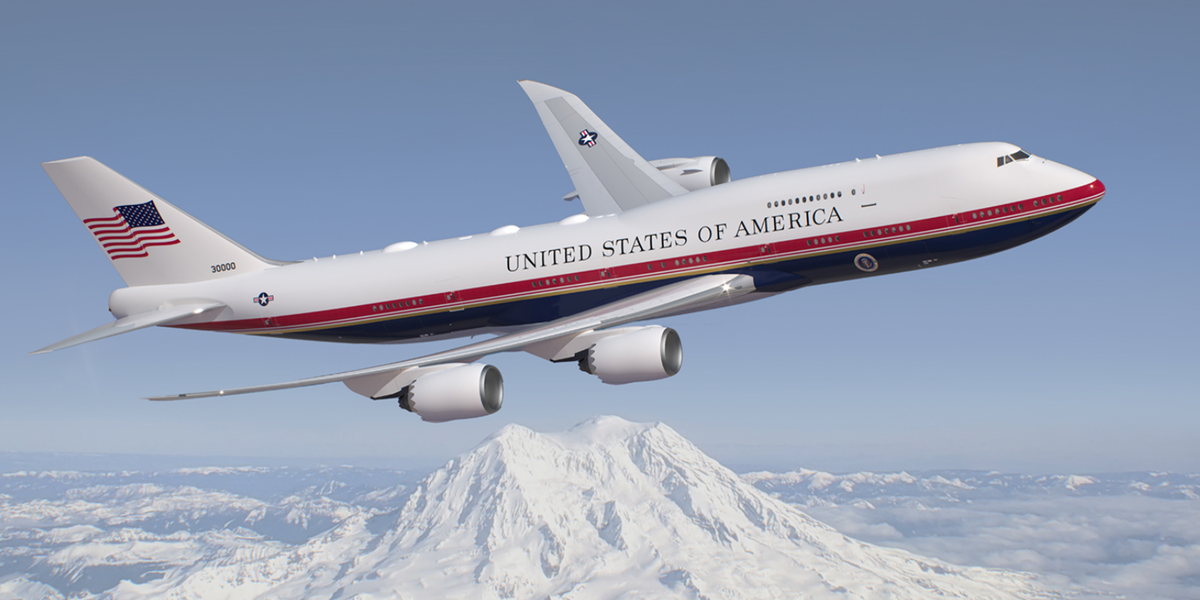
The Air Force approved a new paint design for Executive Airlift aircraft on February 18, 2026, including the next generation of presidential planes that will use the Air Force One callsign. This is the biggest change to the aircraft’s look since the early 1960s, when the current paint design was introduced during the Kennedy administration.
What the New Paint Scheme Will Look Like
Air Force officials say the new design uses a more modern, high-contrast color scheme. The new Air Force One color scheme includes:
- A white upper fuselage
- A dark-blue underside
- Red and gold striping
- A stylized American flag motif
- Standard U.S. military insignia
The overall look is similar to a design proposed a few years ago and later approved after technical and engineering reviews.
The Change Affects More Than Just the President’s Aircraft
Although most focus is on Air Force One, the update covers the entire executive airlift fleet supporting travel for senior leaders.
This includes:
- Future VC-25B aircraft being prepared to replace the current presidential fleet.
- An interim Boeing 747-8 undergoing presidential conversion.
- C-32 aircraft that are frequently used for vice presidential and senior official transport.
These platforms provide essential global mobility for national leadership.
When Service Members May Start Seeing the New Look
The change will happen gradually. Some executive aircraft have already begun receiving the new paint during scheduled maintenance cycles, while larger platform conversions remain ongoing.
The next generation of presidential aircraft is expected to enter operational service later in the decade once extensive communications and security modifications are completed.

Why the Redesign Has Drawn Attention
Changes to Air Force One’s look rarely go unnoticed. The aircraft is much more than a military platform; it is also a well-known national symbol, closely linked to diplomacy and how the world sees the U.S. It’s widely known as a “flying Oval Office.”
Earlier talks included reviews to ensure the darker colors wouldn’t cause excess heat absorption. Officials ultimately approved the design after those technical considerations were addressed and concerns were resolved.
Why This Matters to Service Members
For the military community, the repaint shows the bigger picture of ongoing modernization. The current VC-25 presidential aircraft entered service in 1990 and has supported global missions for decades.
Executive airlift aircraft supply crucial capabilities, including:
• Secure transportation for national leadership
• Rapid global command mobility
• Continuity-of-government support during crises
The new paint signals continued investment in these mission-critical aircraft.
Despite its name, Air Force One isn’t a specific plane. It’s actually a radio callsign used whenever the president is on any U.S. Air Force plane. These planes serve as specialized airborne command centers, equipped with advanced communications, defensive systems, and secure networks.
What This Change Signals for the Future of Military Aviation
The new paint design is more than just a visual update; it signals the military’s commitment to advancing both capability and image as part of a broader modernization effort.
It shows plans to update and enhance executive airlift aircraft while maintaining readiness to support national leadership. For the military, this redesign reinforces that even iconic platforms must evolve to meet future needs.
Suggested reads:
Join the Conversation

Natalie Oliverio
Veteran & Senior Contributor, Military News at MyBaseGuide
Natalie Oliverio is a Navy Veteran, journalist, and entrepreneur whose reporting brings clarity, compassion, and credibility to stories that matter most to military families. With more than 100 publis...
Natalie Oliverio is a Navy Veteran, journalist, and entrepreneur whose reporting brings clarity, compassion, and credibility to stories that matter most to military families. With more than 100 publis...
Credentials
- Navy Veteran
- 100+ published articles
- Veterati Mentor
Expertise
- Defense Policy
- Military News
- Veteran Affairs
SHARE: