SERVICE MEMBERS SAY THEY FELT 'PRESSURED' BY COMMAND TO ATTEND 'MELANIA' FILM SCREENING
In the military, the pressure that is hardest to prove is often the easiest to feel.
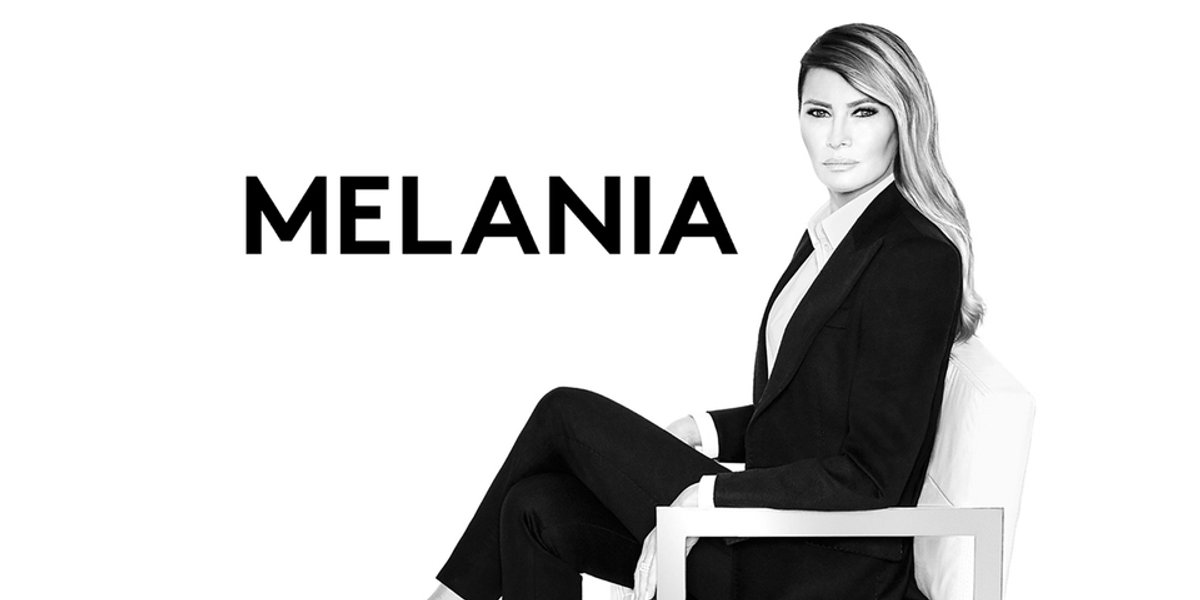
Several service members at different bases say they felt "pressured" by their chain of command to attend a film screening of "Melania" presented as a Unit Activity Event (UAE), even though an official statement said no Department of War directive required attendance.
The Military Religious Freedom Foundation (MRFF) made the allegations public, and national news coverage brought more attention to the issue. This situation raises a familiar question in the military: when leaders encourage participation in morale events, how voluntary is it really?

Encouraged With Consequences, Service Members Allege
MRFF says it received complaints from service members at eight facilities around the world. These members reported that commanders promoted attendance at a documentary screening in ways that came across as being required.
In one email published by MRFF and attributed to an active-duty enlisted service member, the screening was called a “Unit Activity Event (UAE).” The Department of War has not publicly defined this term in this case. The email also noted that members are expected to attend three of these events each month.
“Attendance… is not mandatory,” the service member wrote, “but our unit Commander requires attendance at least at 3 of the 4 [UAEs] each month.”
The same email claimed that failing to meet the minimum attendance requirement could have professional consequences.
“Failure to attend the minimum of 3 UAEs per month will be negatively reflected in our fitness eval reports,” the email stated.
Another service member described the situation more directly:
“Nobody that I know wanted to go except for those that did not want to get jacked up by our unit commander for not attending.”
MRFF founder Mikey Weinstein said that fear of consequences affects whether service members speak up at any time.
“People are scared,” he said.
Pentagon: No Directive Required Service Members to Attend
A Department of War official said that there was no DoW-wide requirement to see the film.
“There is no Department of War directive requiring service members to see this film,” the official said.
That statement answers whether there was a department-level mandate. The remaining question is whether local command messaging, even without a formal directive, became undue influence.
Why “Command Influence” Concerns Don’t Require a Written Order
Service members do not need a written order to feel pressure. In the military, leaders assign duties, evaluate performance, and shape careers. Even informal recommendations carry weight, especially when a command promotes an activity as a unit event with expected participation.
Military ethics and political activity rules are based on the idea that leaders should not use their authority in ways that appear to endorse or coerce, especially when the activity is not related to the mission.
That line can become unclear most quickly when an event is:
- Presented as “voluntary” but informally tracked
- Linked explicitly or implicitly to evaluations or reputation
- Organized using official time, transportation, or unit resources
- Conducted in a climate where disagreement feels risky
What Happens Next
At the time of this publication, there have been no public inspector general findings or disciplinary actions related to these specific allegations. The Pentagon statement only disputes a department-wide directive, not the possibility that service members felt local pressure.
This situation highlights how, in the military, the difference between something being optional in name and truly optional can depend on context, tone, and who asks.
Suggested reads:
Join the Conversation

Natalie Oliverio
Veteran & Senior Contributor, Military News at MyBaseGuide
Natalie Oliverio is a Navy Veteran, journalist, and entrepreneur whose reporting brings clarity, compassion, and credibility to stories that matter most to military families. With more than 100 publis...
Natalie Oliverio is a Navy Veteran, journalist, and entrepreneur whose reporting brings clarity, compassion, and credibility to stories that matter most to military families. With more than 100 publis...
Credentials
- Navy Veteran
- 100+ published articles
- Veterati Mentor
Expertise
- Defense Policy
- Military News
- Veteran Affairs
SHARE: