EMOTIONAL SUPPORT ANIMALS ON BASE: HOUSING RULES, WAIVERS, AND THE GRAY ZONES IN BETWEEN
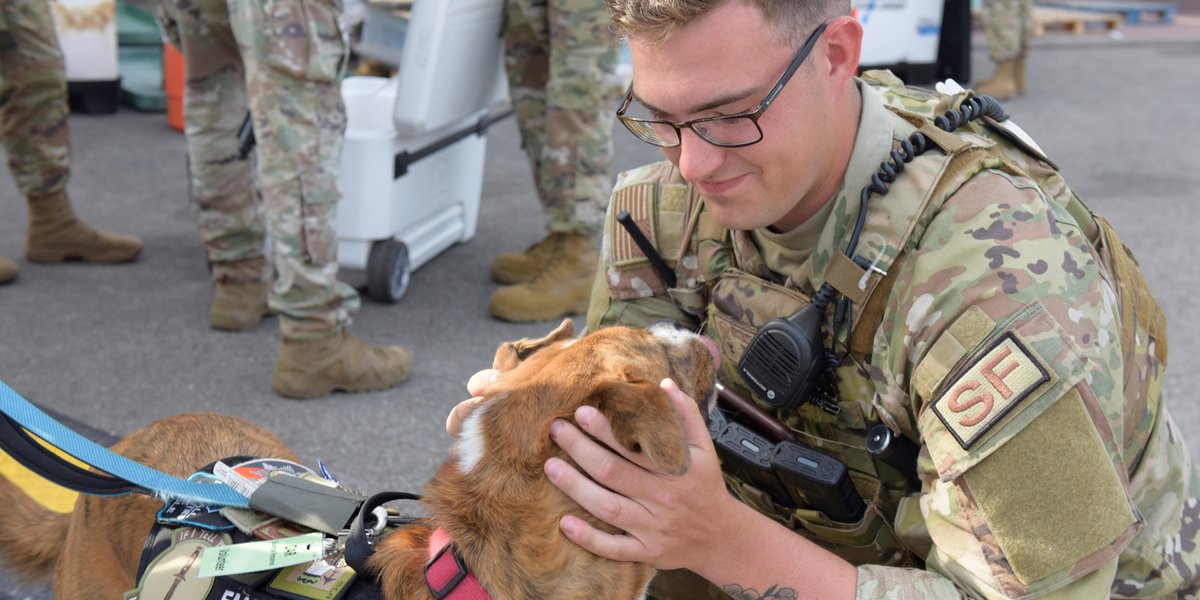
The hardest part about having an emotional support animal (ESA) on base isn’t the animal. It’s the guesswork involved in where, when, and how you can move about on base, and off, with your ESA in tow.
A dog that’s approved in privatized housing can still be turned away from a youth sports practice, an MWR facility, or a lodging front desk, because those spaces don’t all follow the same legal standard. Families end up bouncing between “reasonable accommodation” language, pet policies for installations, and well-meaning gatekeepers who use ADA terms for situations the ADA doesn’t actually address.
This is the flagship truth about emotional support animals on base: the outcome depends less on your letter and more on where you’re standing when you present it.
What Counts as an ESA Versus a Service Animal
Start here, because this distinction drives everything else.
Under the ADA, a service animal is a dog that is individually trained to do work or perform tasks for a person with a disability. Dogs whose sole function is comfort or emotional support do not qualify as service animals under the ADA.
Under fair housing rules, assistance animals can include emotional support animals if they provide disability-related assistance or emotional support that alleviates symptoms of a disability, and housing providers may have to make reasonable accommodations to pet policies.
Keep this one sentence in your back pocket for every conversation you’re about to have:
Your ESA can be protected in housing, but that does not automatically grant access to facilities, programs, or events.
The Real Reason Base Policies Feel Inconsistent
On a military installation, “on base” is not a one-policy environment. You’re usually dealing with at least three different rule lanes:
1. Housing rules (often fair housing “reasonable accommodation” logic)
2. Installation access and control rules (the base’s authority over what’s allowed where)
3. Program/facility rules (MWR, youth programs, lodging), which often default to ADA-style service-animal standards
That “lane” issue is not just theoretical. Department of Defense policy makes clear that the Military Departments retain authority over installation access, control, and domiciling for animals other than service dogs (including pets and therapy animals).
Where ESAs Are Most Commonly Approved: Privatized Housing
Most military families hit ESA friction in privatized housing first because that’s where pet fees, pet caps, breed/weight restrictions, and “no pets” clauses are most common.
In housing, the key concept is reasonable accommodation. The Department of Housing and Urban Development explains that individuals with a disability may request an assistance animal as a reasonable accommodation to a housing provider’s pet restrictions and that housing providers cannot refuse reasonable accommodations when necessary to ensure equal opportunity to use and enjoy a dwelling.
HUD’s assistance animal guidance also lays out how housing providers should assess requests (including when they can ask for disability-related information and when they can deny a request).
What Paperwork a Housing Office Can Ask For and What They Can’t
HUD’s framework is the safest accuracy anchor for how assistance-animal requests are evaluated in housing.
In practice, housing providers generally may:
- Require a request (written is best, even if not required)
- Ask for “reliable” disability-related information when the disability/need isn’t obvious
- Evaluate whether the request is reasonable, including whether the specific animal poses a direct threat or would cause substantial property damage that can’t be reduced by other measures
Where ESAs Commonly Hit a Wall: MWR, Youth Sports, and Facilities
This is the gray area that can quickly become a hot zone that creates family blowups, because it feels personal when it’s actually procedural.
Under ADA guidance, comfort or emotional support alone does not make an animal a service animal. So, many facilities default to: “Only service animals.”
And installations often spell this out in writing. A 2024 pet policy memo for Joint Base Anacostia-Bolling states that “assistance animals” are not “service animals” and are not automatically permitted by law to accompany an owner to any facility.
Why Youth Sports Is Especially Messy
Youth sports and rec programs can be a blend of:
- Installation-run programming
- Partner-run leagues
- Volunteer-led associations using government space
That structure can change what policies apply and who has the authority to approve exceptions. This is why families can get a “yes” from one program and a “no” from another, even on the same base.

The PCS Effect: When “We Had Approval At Our Last Base” Doesn’t Transfer
PCS moves amplify ESA confusion because families assume the standard travels with them.
Military OneSource’s installation guidance is blunt about the bigger issue: pet policies vary by installation, and you need to understand the rules before arriving.
Even if federal guidance is stable, what changes at each duty station are:
- The installation’s written animal/pet policy
- How the housing partner processes accommodations
- What a specific facility allows
- Who signs waivers and what they require
Airlines Are Not Required to Treat ESAs as Service Animals
If your ESA is part of your family's move, do not plan like it’s 2018.
The Department of Transportation finalized rules allowing airlines to treat emotional support animals as pets rather than service animals.
That doesn’t dictate what happens on base, but it affects your PCS logistics and the documentation families assume “should work everywhere.”
Youth Sports, MWR Programs, and Spectator Spaces: Where ESAs Are Most Often Denied
This is where most families get surprised.
Youth sports fields. MWR gyms. Libraries. Community centers. They feel casual. They are not.
On base, many of these spaces are treated as public-facing facilities rather than extensions of housing. That single distinction changes everything.
In these settings, access usually follows ADA service-animal rules, not housing accommodation rules. Under federal ADA guidance, emotional support animals are not considered service animals because they are not trained to perform a specific task related to a disability. That means facilities are generally not required to admit ESAs.
This is why families often hear:
- “Only service animals are allowed.”
- “Your housing approval doesn’t apply here.”
- “We follow ADA rules.”
In many cases, those answers are legally correct.
Why Youth Sports Is a Gray Zone On Base
Youth sports programs rarely sit in one clean lane.
They may be:
- Run by MWR
- Partnered with civilian leagues
- Volunteer-led but using government space
That structure matters. Authority can shift between the installation, the facility, and the program itself. So one practice allows an ESA on the sidelines. Another says no, on the same base.
That inconsistency isn’t personal. It’s procedural.

What to Ask Before You Show Up
Before assuming access, ask these questions (in writing whenever possible):
- Is this space governed by ADA service-animal standards?
- Are emotional support animals permitted in any capacity?
- Is there a local waiver or exception process?
- Who has approval authority for exceptions, if they exist?
What Documentation Usually Won’t Override a Facility Denial
These documents may work in housing, but likely won’t work elsewhere:
- Housing accommodation letters
- ESA recommendation letters for leasing
- Online ESA registrations or certificates
Facilities are not required to treat housing paperwork as access authorization.
When a Waiver May Be Possible
Some installations allow limited exceptions.
Usually when:
- The animal remains stationary
- Safety risks are minimal
- The request is narrow and time-bound
It is important to note that waivers are rare and they are discretionary. Waivers are never guaranteed. And they are handled by the program or installation, not housing.
What Families Should Remember
If your child participates in youth sports or MWR programs:
- Housing approval does not transfer
- Facility rules apply first
- Written policies matter
- Denials are procedural, not personal
Planning for that reality prevents the hardest moments.
FAQs: Emotional Support Animals On Base
Can a base ban ESAs entirely?
Facilities and programs often limit access to ADA-defined service animals. Housing accommodation requests for assistance animals are evaluated under fair housing reasonable accommodation standards. The result can be “yes in housing, no in facilities,” depending on local policy and setting.
Can a landlord charge pet rent or a pet deposit for an ESA?
HUD guidance addresses how assistance animals relate to pet policies and accommodations; fees tied to “pet” status may not be handled the same way for assistance animals. If you’re charged, ask for the written justification and escalate through the housing accommodation process.
Do I have to disclose my diagnosis to get an ESA in housing?
HUD’s framework focuses on reliable disability-related information when the disability-related need isn’t obvious, not disclosure of a detailed diagnosis. Provide what’s necessary to establish disability-related needs and nexus, nothing more.
What if a youth sports program says “no animals,” period?
Ask whether the program is applying an ADA service-animal-only standard for facility access or whether it has a local waiver process. Youth sports are often a gray zone because of how programs are structured and who controls the space.
Can I fly with my ESA during PCS?
Airlines may treat emotional support animals as pets under DOT rules; plan accordingly and confirm the airline’s current policy before travel.
Suggested reads:
Join the Conversation

Natalie Oliverio
Veteran & Senior Contributor, Military News at MyBaseGuide
Natalie Oliverio is a Navy Veteran, journalist, and entrepreneur whose reporting brings clarity, compassion, and credibility to stories that matter most to military families. With more than 100 publis...
Natalie Oliverio is a Navy Veteran, journalist, and entrepreneur whose reporting brings clarity, compassion, and credibility to stories that matter most to military families. With more than 100 publis...
Credentials
- Navy Veteran
- 100+ published articles
- Veterati Mentor
Expertise
- Defense Policy
- Military News
- Veteran Affairs
Calculate Your BAH
Planning your housing budget? Use our 2026 BAH Calculator to see your Basic Allowance for Housing rates for your base.
Calculate BAH Rates →SHARE: