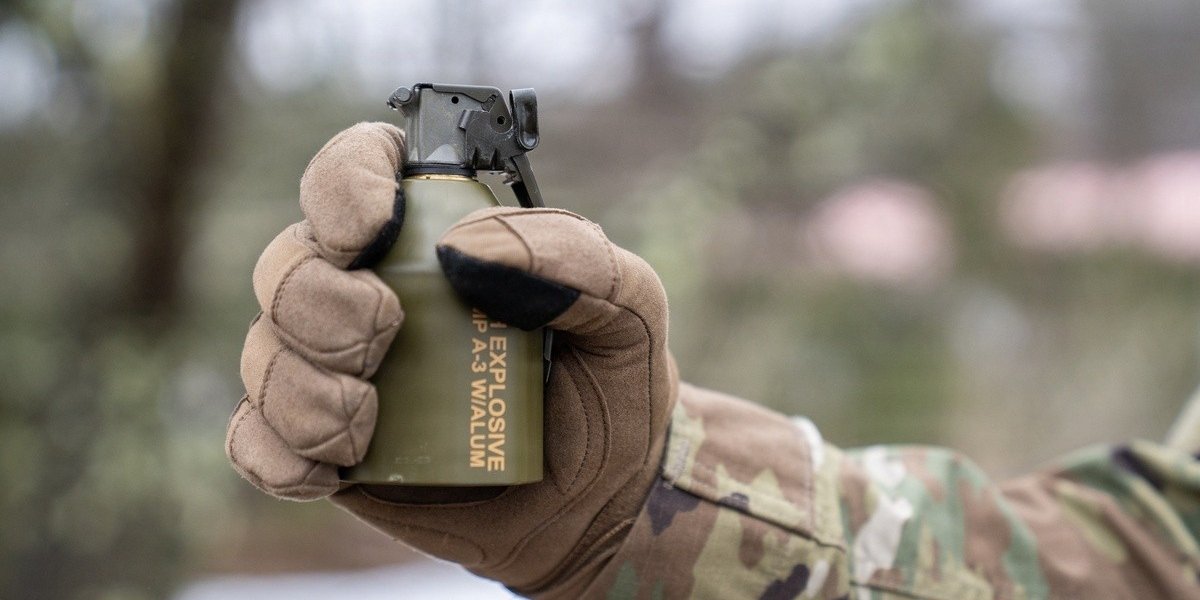
MILITARY INFRASTRUCTURE UPGRADES TO HAPPEN AT GREENLAND’S PITUFFIK SPACE FORCE BASE
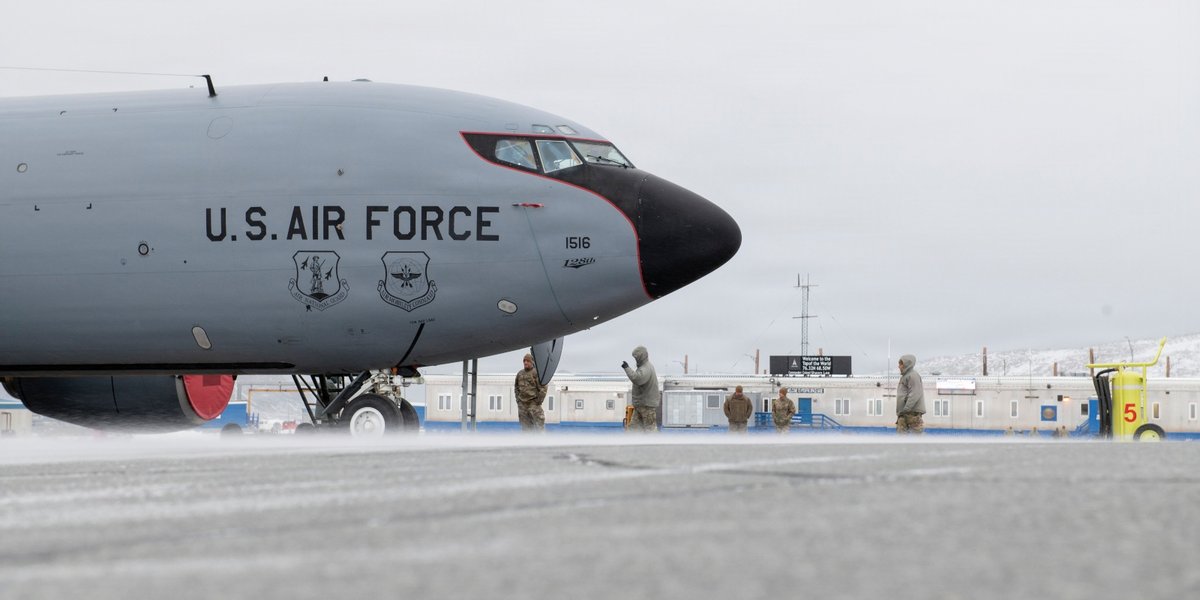
The evolution of Greenland's military infrastructure at Pituffik Space Force Base illustrates how a once-remote outpost has become essential to U.S. and allied Arctic security strategy. Recent reporting highlights plans for up to $25 million in airfield and other upgrades as part of the ongoing modernization of Greenland military infrastructure, underscoring the high operational priority assigned to Pituffik’s airfield systems, runway lighting, and power support.
Why the Infrastructure Push Now: Climate Change, Access, and Geography
Pituffik sits well within the Arctic Circle at the far northwestern edge of Greenland, a position that is geopolitically and operationally singular. For years after the Cold War, the region was distant from core strategic discussions, but Arctic security priorities have surged as climate change reduces sea-ice cover, lengthening open-water seasons and increasing activity along northern air and maritime routes.
Scientific assessments show persistent declines in Arctic sea ice, with late-summer sea ice coverage trending toward near ice-free conditions before mid-century under most scenarios, altering the operational calculus for logistics and domain awareness across the High North. Combined with increased Russian and Chinese activity in the region, these trends reinforce Greenland’s importance for early warning, domain awareness, and allied defense cooperation.
That combination makes Greenland military infrastructure investment more than a slogan: it is an operational necessity. Harsh weather, months of darkness, permafrost conditions, and seasonal constraints all drive up costs and complicate sustainment at Pituffik. The base’s mission cannot tolerate interruptions, and the infrastructure must be resilient year-round.

Access Framework: U.S.-Denmark Agreements and Alliance Context
Established during World War II and formalized under the 1951 U.S.-Denmark defense framework, the installation that became Pituffik grew into a vital outpost in the Cold War, supporting Strategic Air Command operations, long-range radar tracking, and early missile warning.
Over the decades, the mission shifted to focus on missile warning, missile defense, and space surveillance, aligning with the creation of the Space Force in 2019. In 2023, the U.S. officially renamed the installation Pituffik Space Force Base, emphasizing both Greenlandic heritage and the base’s continuing role in homeland defense, space domain awareness, and broader Arctic security missions. Today, Pituffik hosts units including the 12th Space Warning Squadron, operating the Upgraded Early Warning Radar critical for missile detection and space tracking, and the 23rd Space Operations Squadron Detachment that supports global satellite command and control.
Underpinning that arrangement is a modern Defense Cooperation Agreement (DCA) negotiated in the 2020s, which further deepens access and security cooperation across the Danish Realm. Denmark has been one of America’s most reliable NATO allies, and this alliance context has shaped decades of collaboration on Arctic defense and Greenland’s role as a strategic partner.
Construction and Recapitalization at Pituffik (FY2016–FY2025)
The Department of the Air Force (DAF) has sustained a long-term program to recapitalize and modernize Pituffik’s facilities and systems, reflecting the evolving demands of operations at the High Arctic’s most northern U.S. outpost. Since 2016, roughly $384 million in construction has been executed, including dormitory recapitalization, a new base civil engineer facility, energy management upgrades, and the modernization of the Backup Electrical Plant. These investments are core pieces of the Greenland military infrastructure portfolio that keep the base mission capable in brutal environmental conditions.
In the FY2026 National Defense Authorization Act, nearly $32 million was authorized for runway approach and landing system improvements, aligning congressional priorities with operational requirements at the base. Public solicitations indicate anticipated costs for airfield lighting and support facilities between $10 million and $25 million, reinforcing the scale and immediacy of this infrastructure push.
Facilities Sustainment, Restoration, and Modernization (FSRM)
In addition to major construction, Pituffik requires a steady stream of Facilities Sustainment, Restoration, and Modernization (FSRM) work simply to remain operational. Publicly available contract awards and task orders from the last five fiscal years indicate at least $40–$60 million in routine but essential FSRM projects: from fire detection system upgrades in dormitories and workspaces to electrical distribution improvements, heating and utility repairs, generator and backup power sustainment, facility envelope work, and engineering services supporting Arctic construction.
Individually modest, these projects collectively highlight the extreme cost and complexity of maintaining an installation at the top of the world, where weather, permafrost, and logistic constraints drive sustainment costs well above those at lower-latitude bases.

Strategic Voices on Pituffik and Arctic Security
Senior military leaders have publicly underscored the strategic relevance of Pituffik’s mission. In December 2025, US Space Force General Stephen Whiting, commander of U.S. Space Command, stated during an Arctic visit, “Pituffik space force base’s missile warning, missile defense, and Space Domain Awareness mission play a crucial role in the defense of our homeland and the American people,” emphasizing the base’s contribution to joint operations and broader Arctic security considerations.
Greenland's Military Infrastructure as a Strategic Investment
The sustained modernization of Greenland military infrastructure at Pituffik space force base reflects more than routine maintenance; it represents a forward-leaning commitment to enduring Arctic security and allied defense cooperation.
From Cold War roots through evolving space and domain awareness missions under the Space Force, Pituffik’s infrastructure investments tie directly into the United States’ ability to deter aggression, provide early warning, and operate effectively in one of the globe’s most demanding environments.
As climate change continues to alter access and an increasingly aggressive Russia complicates the strategic calculus in the High North, reliable, resilient, and capable infrastructure at the top of the world will remain indispensable to U.S. defense objectives and to the broader security interests of NATO allies.
Suggested reads:
Join the Conversation

Mickey Addison
Military Affairs Analyst at MyBaseGuide
Mickey Addison is a retired U.S. Air Force colonel and former defense consultant with over 30 years of experience leading operational, engineering, and joint organizations. After military service, h...
Mickey Addison is a retired U.S. Air Force colonel and former defense consultant with over 30 years of experience leading operational, engineering, and joint organizations. After military service, h...
Credentials
- PMP
- MSCE
Expertise
- defense policy
- infrastructure management
- political-military affairs
SHARE: