THE 2026 MILITARY HOUSING RULEBOOK EVERY TENANT SHOULD READ
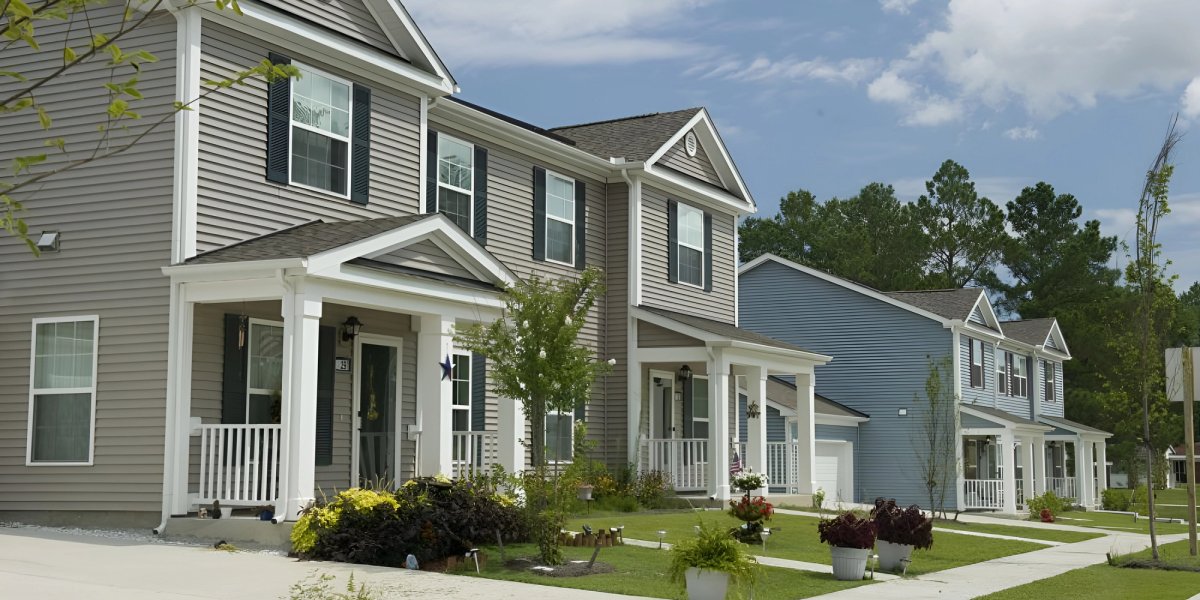
Imagine spending your weekend putting up holiday decorations, only to get a notice telling you to take them down. Anyone who has lived in privatized military housing knows this can really happen. In 2026, situations like this matter even more because the rules that protect your home, safety, rights, and ability to request repairs now have stronger oversight, real enforcement, and more accountability at each installation.
Here’s the bottom line up front: 2026 is the first year the Department of Defense’s housing reforms, environmental safety updates, maintenance standards, and Tenant Bill of Rights enforcement fully align. If you live in base housing, this is the rulebook that protects your family’s health, finances, and stability.
The 2026 Rules That Shape Your Daily Life
In 2026, several policies will move from being just recommendations to being required. This change comes after years of reports about mold, maintenance delays, and lack of transparency from the Government Accountability Office and Inspector General.
Major changes include:
- Mandatory third-party inspections at move-in, move-out, lease renewal, and before reassigning a unit.
- Full enforcement of the Tenant Bill of Rights, guaranteeing access to maintenance history, prompt repairs, and the ability to withhold Basic Allowance for Housing during disputes.
- Defined repair timelines:
- Emergency repairs: 24 hours
- Urgent repairs: 3 business days
- Routine repairs: 10 days
- 30-day deadlines for environmental hazard remediation, including mold, asbestos, lead, and water intrusion.
- Installation Housing Ombudsmen with authority to escalate unresolved issues directly to service headquarters.
- Updated Resident Energy Conservation Program rules, requiring transparent billing and documented meter readings.
- Annual public reporting of mold cases, maintenance timelines, dispute outcomes, and environmental testing results.
What Counts as a Health or Safety Hazard in 2026
Families often don’t know what qualifies as an emergency. Under 2026 standards, the following issues require immediate response:
- Visible or odor-based mold
- Water intrusion or standing water
- HVAC failure during extreme temperatures
- Electrical hazards
- Gas leaks or malfunctioning carbon-monoxide alarms
- Lead-based paint hazards in pre-1978 units
- Asbestos in flooring, insulation, or mastic
- Pest infestations, including roaches or rodents
- Broken locks, windows, or doors affecting security
If any of these problems happen, you can start the health and safety process. If repairs are not finished on time, you can use the dispute system to hold your BAH until the issue is fixed.
What Tenants Must Do Differently in 2026
The 2026 rules give tenants more rights, but they also require you to keep careful records.
Every family should take clear steps: document all issues using photos, mark timestamps, and submit written reports for each concern.
- Request inspection records at move-in and before renewing your lease to ensure you have full documentation.
- Keep a record of every conversation and message with maintenance or housing staff, noting dates and responses.
- Immediately report any environmental concerns to officially begin the 30-day remediation period.
- Follow the escalation sequence: submit a work order, contact the housing office, reach out to the Ombudsman, then start the dispute process if necessary.
You now have more power but must diligently track issues, keep records, and follow all escalation steps.
Your Responsibilities in 2026: The Policies That Still Apply to You
To avoid fines, violations, or unexpected charges, tenants must follow:
- Seasonal décor rules (lights, inflatables, roof clips, timing)
- Lawn care standards
- Trash, recycling, and bulk pickup guidelines
- Parking requirements
- Pet, breed, and fencing policies
- Rules for modifications (yes, even swapping a light fixture requires approval)
Previously, confusion about these rules caused frustration. In 2026, housing companies must clearly and consistently publish rules, but tenants still have to follow them.
The 2026 Climate & Emergency Preparedness Standards
With extreme weather, flooding, and heat events increasing, the DoD now requires:
- Cooling-center access during heat waves
- Updated hurricane and wildfire protocols
- Clear instructions for shutoff valves for water, gas, and electricity
- Emergency power priorities for vulnerable populations
- Power outage maintenance timelines
- Clarified evacuation eligibility tied to housing status
These updates directly affect both readiness and your family’s safety.
The 2026 Move-In Checklist Every Tenant Must Complete
To prevent future disputes:
- Take full photo and video documentation.
- Test HVAC and check filter dates.
- Run all faucets, tubs, and showers.
- Request environmental testing results.
- Ask for the home’s maintenance history.
- Confirm smoke and CO detectors work.
- Test all outlets and appliances.
- Check drainage around the home.
- Inspect windows and seals.
- Look for past water damage in closets and garages.
This helps protect you from move-out charges and from being blamed for damage that was already there.
The 2026 Housing Dispute Path: How to Escrow Your BAH
If deadlines are missed or repairs are incomplete:
- Submit a documented work order.
- Follow up after 3 business days.
- Escalate to the housing office.
- Contact the Housing Ombudsman
- Request a health and safety inspection.
- File a formal dispute.
- Place BAH in escrow.
- Request temporary relocation if unsafe.
This is now a required process, not just a suggestion.
Your Rights Don’t End When You PCS
Many families think that once they move out, they lose their ability to take action. That’s not the case in 2026.
You retain the right to:
- Dispute move-out charges
- Access all maintenance and environmental records.
- Pursue retroactive BAH credits.
- Escalate unresolved issues to the service headquarters.
- Request documentation for claims or medical impacts
This protects families from retaliation or delays during PCS season.
Why This All Matters
Military families deserve more than just 'good enough.' They deserve a home that reflects the sacrifices, moves, and uncertainty they face every day. The 2026 rulebook finally recognizes this.
Next time a holiday-decor memo arrives, families won’t just shrug or accept it. They’ll know exactly what the rules are, where their rights begin, and how to stand up for themselves.
Your 2026 Move-In Inspection Checklist
- Full photos/video of every room
- Test HVAC (heat and AC)
- Check water temperature and pressure.
- Test all outlets
- Confirm smoke/CO alarms.
- Inspect for stains, leaks, or warping.
- Ask for environmental testing results.
- Ask for past maintenance logs.
- Document any scratches, holes, or wear
- Test appliances
- Check attic ventilation
- Inspect exterior drainage
Suggested reads:
Join the Conversation

Natalie Oliverio
Veteran & Senior Contributor, Military News at MyBaseGuide
Natalie Oliverio is a Navy Veteran, journalist, and entrepreneur whose reporting brings clarity, compassion, and credibility to stories that matter most to military families. With more than 100 publis...
Natalie Oliverio is a Navy Veteran, journalist, and entrepreneur whose reporting brings clarity, compassion, and credibility to stories that matter most to military families. With more than 100 publis...
Credentials
- Navy Veteran
- 100+ published articles
- Veterati Mentor
Expertise
- Defense Policy
- Military News
- Veteran Affairs
Calculate Your BAH
Planning your housing budget? Use our 2026 BAH Calculator to see your Basic Allowance for Housing rates for your base.
Calculate BAH Rates →SHARE: