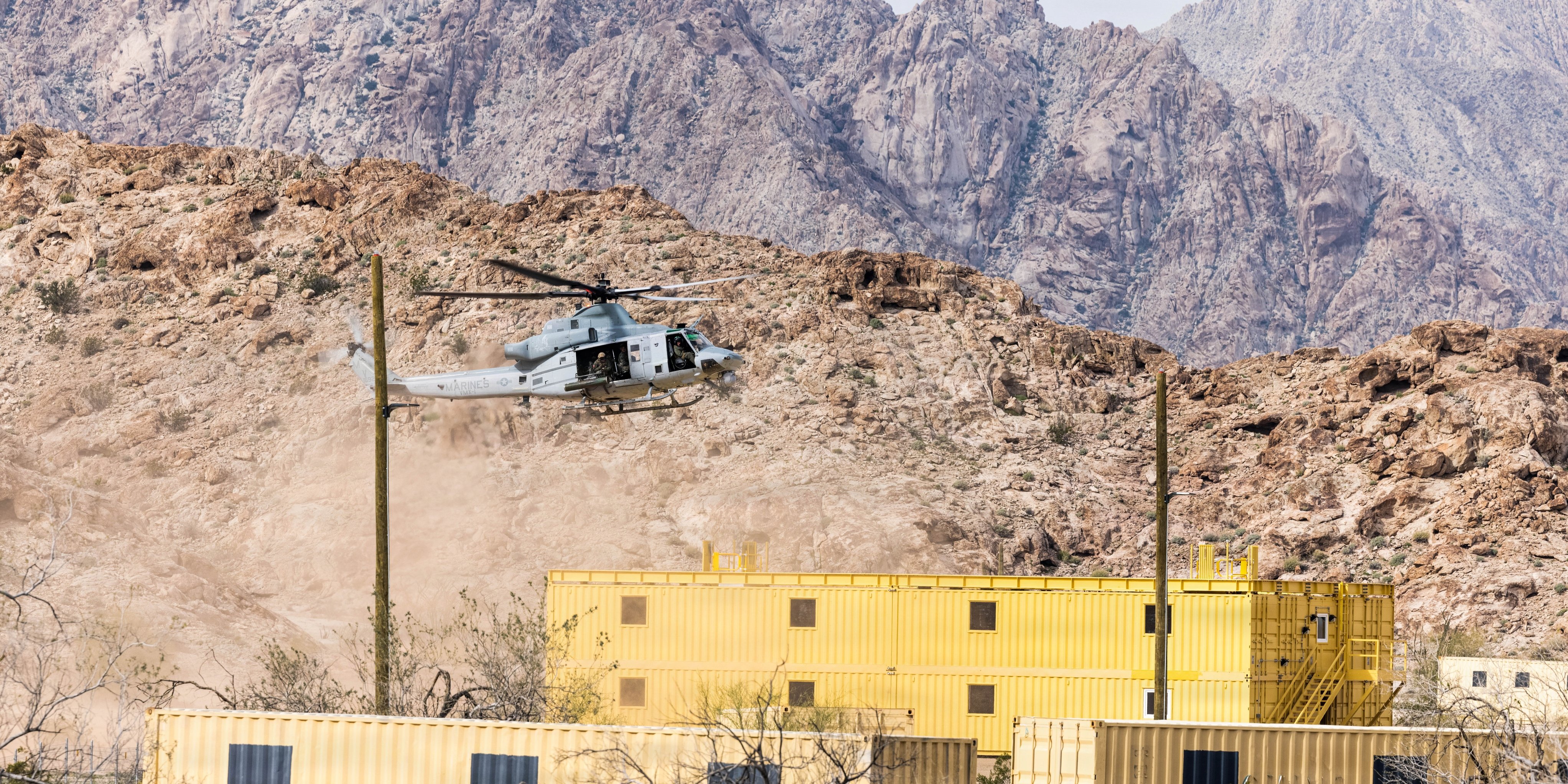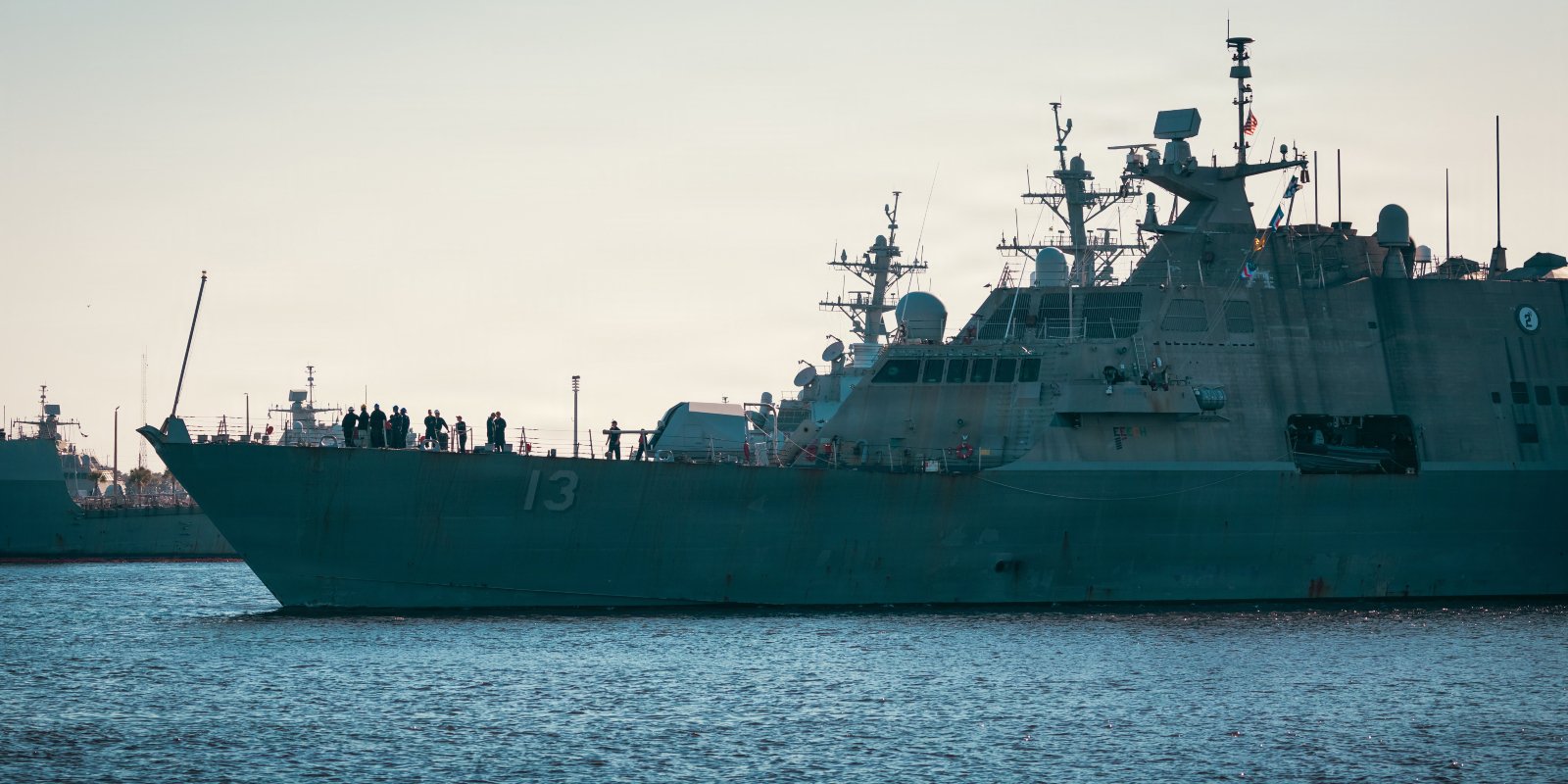
The Top 10 Largest Army Bases in the United States, Ranked
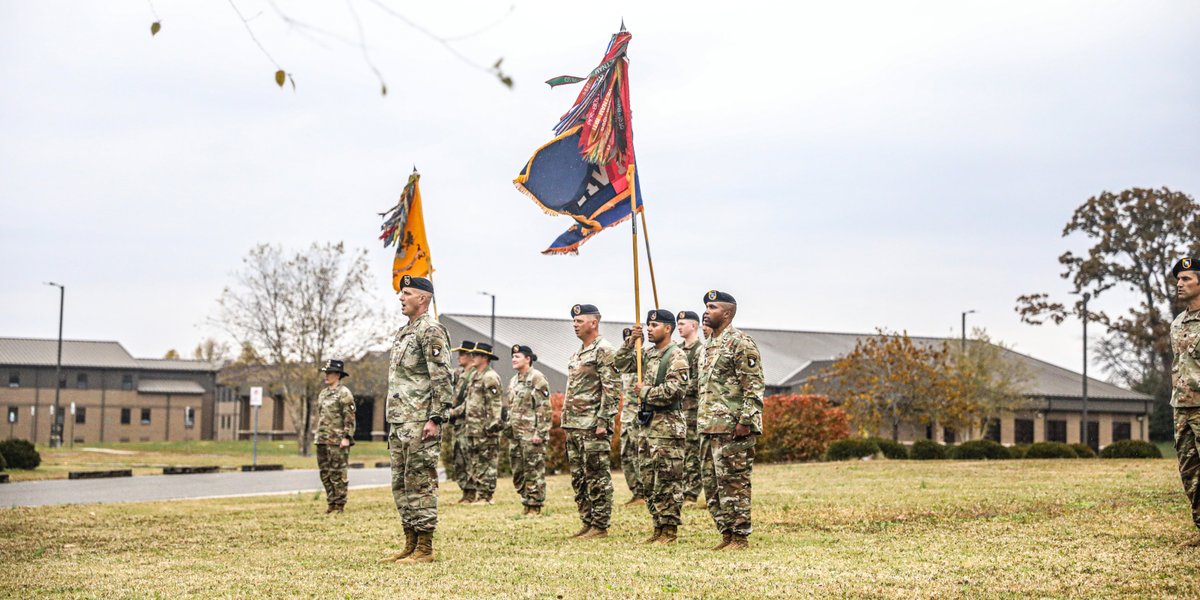
When people talk about the largest Army bases in America, it’s easy to picture endless training ranges and miles of road cutting through the trees, and honestly, that isn’t wrong.
What many families don’t realize is that these giant installations function more like self-contained towns – they have their own rhythms, their own communities, and their own way of shaping daily life for the Soldiers and families who call them home.
Whether you're gearing up for a PCS or you’re just curious where the Army’s biggest missions take place, understanding the scale and personality of these major bases can make the transition feel less overwhelming, and the base feel more like home.
Inside the Army’s Largest & Busiest Installations
When the marketplace opens, there’s a high chance that a few of the biggest Army posts pop up on the list — and that can spark a mix of excitement and “Oh no, what does that mean for us?”
This may not be your first rodeo, or you may be brand-new and trying to make sense of all the options; those giant installations can feel like a world of their own.
Here’s what you can actually expect from the Army’s largest and busiest installations in America — from community vibes to the things families end up loving once they settle in.

#1: Fort Bliss, Texas
Fort Bliss is a massive installation known for its desert training and Air Defense Artillery missions. Its year-round operations and modern facilities make it one of the Army’s most well-known bases.
Population: ~ 90,000
Land Area: ~1.12 million acres
What Fort Bliss Is Known For:
- Huge training areas, some of the largest in DoD
- Air Defense Artillery Brigade and major modernization missions
- Year-round desert training thanks to the dry climate
- Modern “main post” facilities
What Fort Bliss Families Love:
- Stunning mountain views, desert sunsets, and outdoor living
- Easy access to El Paso’s festivals, food trucks, and parks
- Beautiful modern housing and newer on-base facilities
- Great schools and strong childcare offerings

#2: Fort Bragg (Fort Liberty), North Carolina
Fort Bragg is one of the Army’s most well-known installations, both for its size and its operational tempo. This base serves as a hub for airborne and special operations forces, making it a high-energy, always-on-the-go post.
Population: ~ 53,700 active duty soldiers, ~14,000 civilians/families
Land area: ~ 172,000 acres
What Fort Bragg (Fort Liberty) Is Known For:
- One of the busiest, highest-tempo posts in the entire Army
- Headquarters for the XVIII Airborne Corps and the 82nd Airborne Division
- Plays a pivotal role in Special Operations Forces, housing the United States Army Special Operations Command (USASOC)
- Constant flightline activity, rapid deployment cycles, and large-scale training rotations
- A sprawling, city-like footprint with nearly every military specialty represented
What Fort Bragg Families Love:
- Endless things to do: playgrounds, splash pads, MWR events, holiday festivals
- Multiple on-base neighborhoods with different personalities and housing styles
- Quick trips to Raleigh, Pinehurst, Southern Pines, and several beaches
- Strong spouse groups that make this big installation feel surprisingly connected

#3: Fort Hood (Fort Cavasos), Texas
Fort Cavazos is home to some of the Army’s most armor-heavy units and expansive training grounds. Its diverse missions and high operational tempo make it a cornerstone of Army readiness.
Population: ~ 40,000 soldiers, 7,000 family members
Land Area: ~ 196,834 acres
What Fort Hood Is Known For:
- Home of III Armored Corps and some of the Army’s most armor-heavy units
- Huge ranges and training areas supporting tanks, artillery, and aviation
- One of the most diverse sets of MOS opportunities on a single installation
What Fort Hood Families Love:
- Belton Lake, parks, camping, boating, and trails
- Shopping and restaurants in Killeen and Harker Heights
- Massive PX and multiple commissaries make errands easy
- Strong sense of community in off-base neighborhoods

#4: Fort Benning, Georgia
Fort Benning serves as a central training ground for Infantry and Armor soldiers, with a constant flow of students and graduations from Airborne and Ranger schools. Its active training environment makes it a dynamic and mission-focused installation.
Population: ~35,000 soldiers, 9,000 family members
Land area: ~182,000 acres
What Fort Benning Is Known For:
- Airborne School and Ranger School — constant graduations and ceremonies
- Massive student population with continuous training cycles
- Strong ties to military history and innovation
What Fort Benning Families Love:
- Columbus’s growing foodie scene, coffee shops, and locally owned stores
- Tons of family-friendly museums and parks
- Easy weekend trips to Atlanta, Auburn, and Lake Martin
- Frequent community events, from concerts to seasonal festivals

#5: Fort Campbell, Kentucky/Tennessee
Fort Campbell is home to the 101st Airborne Division (Air Assault) and is recognized by many families for its constant helicopter activity. Its high operational tempo and training cycles make it a central post for rapid deployment readiness.
Population: ~ 30,113 active duty members, ~51,480 families
Land area: ~ 94,488 acres
What Fort Campbell Is Known For:
- Air assault training and strong airborne heritage. Extremely high operational tempo with nonstop training cycles
- Helicopter activity everywhere — day and night
- Large footprint that spans Kentucky and Tennessee
What Fort Campbell Families Love:
- Close-knit community feel, strong schools, strong youth recreational programs
- Outdoor activities like hiking and fishing along the Cumberland River
- Nashville is an hour away — concerts, food, sports, and kid activities
- Excellent outdoor recreation on post and at local state parks
- Spouse communities that help newcomers settle quickly
- Affordable housing and family-friendly small towns nearby

#6: Joint Base Lewis–McChord, Washington
Joint Base Lewis–McChord (JBLM) is one of the most strategically important posts in the Pacific Northwest, combining Army and Air Force missions under one installation. Its joint environment, steady training schedule, and proximity to major cities make it a highly sought-after duty station.
Population: ~ 45,000 military members, families, and contractors
Land area: ~ 86,000 acres
What Joint Base Lewis–McChord Is Known For:
- Home to I Corps, Stryker brigades, and major aviation units
- A true joint environment shared with McChord Air Force Base
- High training tempo thanks to mild, year-round weather
- Key strategic location for Pacific operations and rapid deployment
What Joint Base Lewis-McChord Families Love:
- Access to Seattle, Tacoma, Olympia, and Mount Rainier National Park
- Endless hiking trails, lakes, waterfalls, and camping spots
- Strong medical, EFMP, and support programs
- Vibrant PNW culture — local markets, coffee shops, food festivals, and scenic views

#7: Fort Carson, Colorado
Fort Carson, known as “The Mountain Post,” offers a blend of high-altitude training and breathtaking scenery. Its location in Colorado Springs gives families access to some of the best outdoor recreation in the country.
Population: ~90,000 military, families, civilians, contractors
Land area: ~124,912 acres
What Fort Carson Is Known For:
- Home of the 4th Infantry Division. Unique training opportunities due to mountain terrain
- Close ties to major Air Force and Space Force missions
- Incredibly sunny climate — more than 300 sunny days per year
What Fort Carson Families Love:
- Colorado Springs: zoos, museums, parks, shopping, and stunning views
- Proximity to national parks, the Garden of the Gods, and Pikes Peak
- Tons of fitness, youth sports, and adventure programs
- Vibrant, family-oriented communities on and off post
- Highly rated education system

#8: Fort Stewart, Georgia
Fort Stewart is known for its vast training areas and the fast-moving missions of the 3rd Infantry Division. It’s a blend of quiet, open space with easy access to historic coastal cities.
Population: ~ 21,200 active duty military and families
Land area: ~ 271,568 acres
What Fort Stewart Is Known For:
- One of the largest training areas east of the Mississippi
- Strong history of rapid deployments and high operational tempo
- A mix of rural atmosphere with proximity to the Georgia coast
What Fort Stewart Families Love:
- Day trips to Savannah, Tybee Island, Jekyll Island, and Hilton Head
- Easy access to surrounding areas – Florida, Mountains, etc.
- Wildlife, fishing, hiking, and coastal outdoor recreation
- Large family-focused events throughout the year
- Quiet neighborhoods that feel removed from busier parts of Georgia

#9: Fort Riley, Kansas
Fort Riley is known for its strong community feel and the historic presence of the 1st Infantry Division. Families appreciate its quieter pace and deeply supportive local communities.
Population: 5,400 active duty members, 19,600 family members
Land area: ~ 92,269 acres
What Fort Riley Is Known For:
- Home of the 1st Infantry Division — “The Big Red One”
- Historic, proud, community-focused installation
- Balanced training tempo with modern and historic areas
- Strong partnership with the surrounding local towns
What Fort Riley Families Love:
- Manhattan, KS: a friendly, college-town atmosphere with great food
- Beautiful Flint Hills landscapes — open, quiet, peaceful
- Strong local schools and supportive community programs
- A slower pace that many families find calming and refreshing

#10: Fort Drum, New York
Fort Drum is home to the 10th Mountain Division, one of the Army’s most deployed light infantry divisions. Known for its harsh winters and high-readiness operations, it builds an incredibly tight soldier and family community.
Population: 15,000 military members and families
Land area: ~ 107,265 acres
What Fort Drum Is Known For:
- Intense winter training and operations
- Mission-oriented soldier population with constant field activity
- Rapid deployment posture
What Fort Drum Families Love:
- Summertime on the lakes, rivers, and trails
- Easy access to the Adirondacks, Thousand Islands, and Canada
- Constant activities all throughout the state
- Sports and recreational programs, both on and off the base
- A very close, supportive community (especially during long winters)
Big Bases, Big Communities: Finding Your Place Wherever You Land
Every base has its own rhythm, and the largest ones hum with a unique kind of energy. Moving here isn’t just about learning new streets or navigating crowded chow halls. It’s about discovering the spots where your kids will make lifelong friends, finding neighbors who’ve been through sleepless nights and long deployments, and carving out your own family traditions amidst a bustling, ever-changing community.
Whether you’re prepping for your first PCS or your tenth, understanding what makes each installation tick can help you feel at home faster, even before the last box is unpacked.
Continue Reading
Top 5 Largest U.S. Military Bases Worldwide
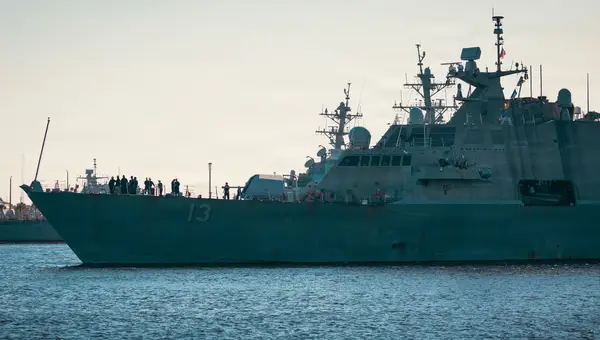
The Largest Navy Bases in the World: Ranked by Land Area, Population, and Strategic Impact
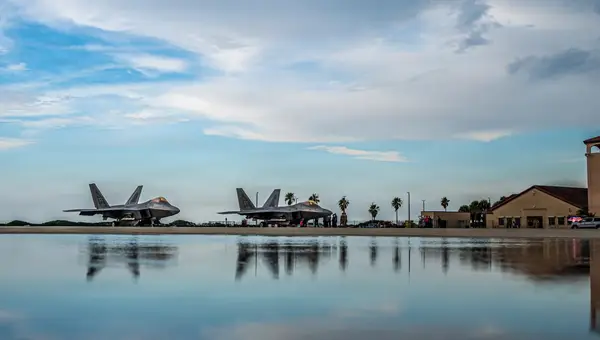
Where Are the Largest Space Force Bases? Your Guide to the Top Installations
Join the Conversation

Jessica Gettle
Military Spouse & Family Life Writer at MyBaseGuide
Jessica Gettle is a military spouse of more than a decade, part of the EOD community, and a communications professional with 10 years of experience. She combines her career expertise with a deep, pers...
Jessica Gettle is a military spouse of more than a decade, part of the EOD community, and a communications professional with 10 years of experience. She combines her career expertise with a deep, pers...
Credentials
- Military Spouse
- SEO content writer
- Experience with deployments and relocations
Expertise
- Military Family Support
- Military Lifestyle
- Military Spouse Benefits
SHARE: