COAST GUARD PAY STILL UNCERTAIN AS HOUSE REJECTS SENATE-PASSED DHS FUNDING BILL
Service members across the U.S. Coast Guard have been questioning the silence since February 14th. Not only has the unrelenting question of pay persisted throughout the partial government shutdown, but the silence that Coasties have been met with, including at the highest levels of Command leadership, has many questioning the reason for the lack of explanation.
Even the Coast Guard website has been effectively closed since February 17th, due to the lapse in federal funding, and explicitly states that the website won’t be updated with new information until funding is enacted.
For those depending on official channels for clarity, they have been met with frustration and lingering anxiety, wondering what the impact to their family’s financial stability will look like.

Senate Passes DHS Funding Bill, but House Rejects It
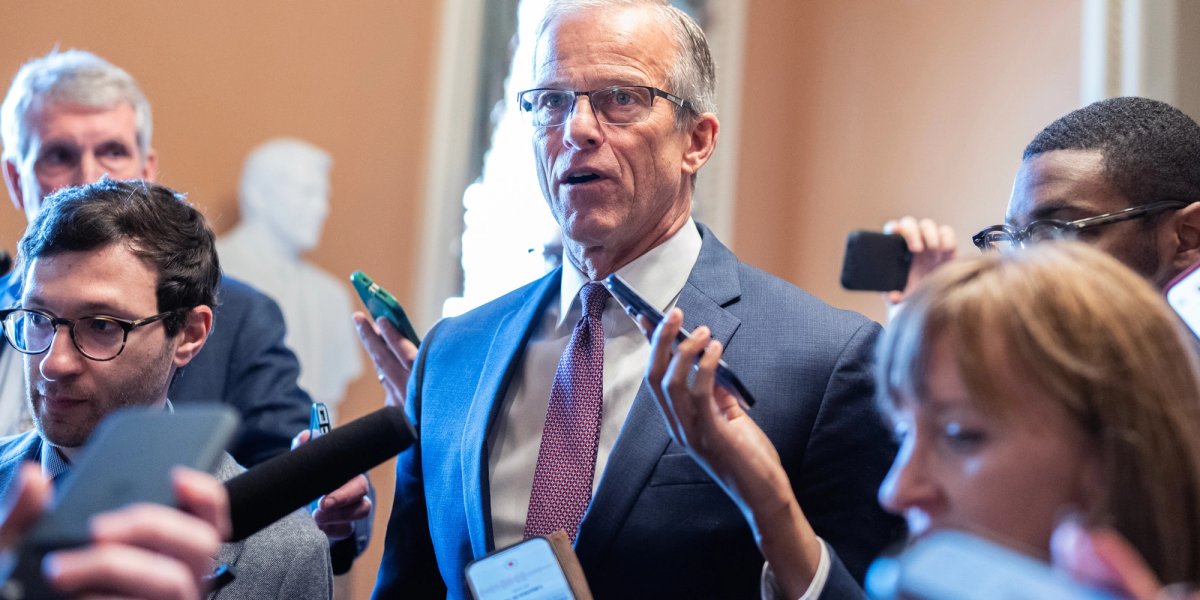
The United States Senate passed a funding bill early Friday morning (March 27) that includes the United States Coast Guard, breaking a weeks-long stalemate over the Department of Homeland Security budget. However, House Speaker Mike Johnson immediately rejected the Senate compromise, calling it a "joke." Because the House refuses to pass the Senate's version, DHS remains in a partial shutdown and Coast Guard funding is not restored.
According to Reuters, the legislation would fund most DHS operations, but it must pass both chambers before it becomes law. Meanwhile, President Trump said that he will sign an executive order to pay TSA officers—not the Coast Guard—to ease airport chaos.
The Coast Guard cannot tap into the $191 billion "One Big Beautiful Bill Act" (OBBBA) passed in July 2025, as those funds were legally earmarked strictly for Immigration and Customs Enforcement (ICE) and Customs and Border Protection (CBP).
Coast Guard Members Are Still Working, Without Knowing if They’ll Be Paid
Coast Guard service members continue reporting for duty. In a Congressional hearing on March 25, Vice Commandant Adm. Thomas Allan testified that there is “grim uncertainty” regarding whether active-duty personnel will receive their upcoming April 1st paycheck.
In the two most recent pay periods occurring throughout the partial government shutdown, the U.S. Coast Guard remained silent, leaving service members everywhere waiting with bated breath, checking their bank accounts on payday just to see if they received their paycheck, or not.
Luckily, they did, as the service utilized emergency funds to cover the late February and mid-March deposits. Federal law guarantees back pay once funding is restored; however, there is no guarantee of when that backpay could be seen by the service member. The timing of normal pay cycles remains uncertain until continued funding is passed and approved.

Coast Guard Remains the Only Branch Affected by the DHS Shutdown
The Coast Guard operates under DHS in peacetime, not the Department of Defense, leaving the Coast Guard vulnerable. DoD is fully funded. DHS is not.
That structure leaves the Coast Guard exposed to political powers and performative debates, creating a real threat for the U.S. Coast Guard families during a government shutdown.
The Coast Guard civilian workforce is also bearing the brunt. "Excepted" civilian employees are required to work without pay, while non-essential civilian personnel are "furloughed," meaning they are legally prohibited from working and are sent home without pay. Civilian government employees are the first to experience financial disruption, as they don’t receive their paychecks the same way active-duty and reserve do.
Which Military Branch Is Right for You?
Answer 10 questions to discover which branch of the U.S. Armed Forces best matches your personality, interests, and goals.
10 questions • Takes about 2 minutes
What to Do If Your Coast Guard Paycheck Is Delayed
If pay is disrupted, take action early.
- Contact your command for the most current guidance and available resources.
- Use Coast Guard Mutual Assistance for interest-free loans. (While standard CGMA loans can reach up to $6,000, shutdown-specific emergency loans are typically capped around $1,000 to $1,500 based on dependent status.)
- Check with Navy Federal Credit Union and USAA for shutdown assistance programs.
- Contact lenders before missing payments to request hardship options.
Additional support is available through Military OneSource and financial counselors.
Coast Guard Missions Continue Despite Ongoing Funding Gap
Search and rescue, maritime security, drug interdiction, and port operations continue without interruption. Operational demands remain unchanged, even as funding uncertainty continues.
However, Adm. Allan noted the Coast Guard has already incurred over $200 million in unpaid bills, threatening utility shutoffs at bases and stalling the processing of 16,000 merchant mariner credentials.
While the Senate has passed a funding bill that includes the Coast Guard, the House has refused to approve it. Until that happens, the Coast Guard remains in a funding gap, with the same unanswered questions on the minds of every service member since February 14th: “Will I get paid this time?”
No one can definitively answer that question until funding is fully restored. Pay and the loss of it is at the center of this stage, although for those inside the Coast Guard community, the anxiety, worry, and stress has been exacerbated by the overwhelming absences of leadership, guidance and communication during a vulnerable time for those who serve.
Suggested reads:
Join the Conversation

Natalie Oliverio
Veteran & Senior Contributor, Military News at MyBaseGuide
Natalie Oliverio is a Navy Veteran, journalist, and entrepreneur whose reporting brings clarity, compassion, and credibility to stories that matter most to military families. With more than 100 publis...
Natalie Oliverio is a Navy Veteran, journalist, and entrepreneur whose reporting brings clarity, compassion, and credibility to stories that matter most to military families. With more than 100 publis...
Credentials
- Navy Veteran
- 100+ published articles
- Veterati Mentor
Expertise
- Defense Policy
- Military News
- Veteran Affairs
SHARE: